
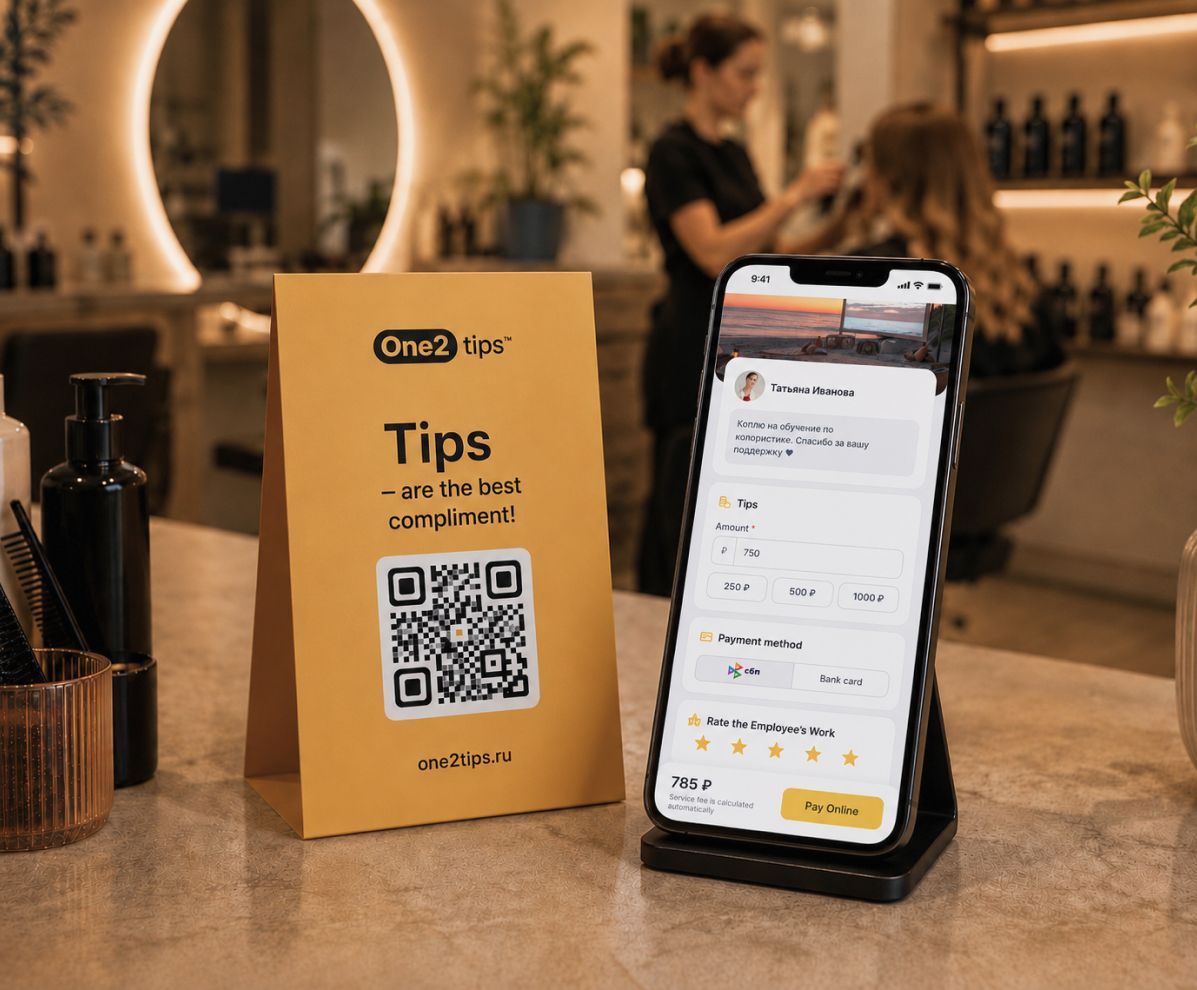
Discover what happens behind the scenes after a customer scans a QR code, how digital tipping works, and why it’s becoming the preferred solution for businesses and customers alike.
Digital tipping is becoming increasingly common across restaurants, cafés, hotels, beauty salons, barbershops, and many other service businesses.
From a customer’s perspective, the process couldn’t be easier: scan a QR code, choose a tip amount, and complete the payment.
But what actually happens behind the scenes? How does the money reach the employee, and why does the whole process take just a few seconds?
Let’s walk through it step by step.
What Is a digital tipping system?
A digital tipping system allows customers to leave a tip without using cash.
Instead of searching for bills or asking for someone’s bank details, customers simply scan a QR code that opens a secure payment page.
The experience feels just like any other online payment – choose an amount, confirm the payment, and you’re done.
For businesses, it’s a modern solution that motivates employees while making tipping easier, faster, and more transparent.
Step 1. An employee gets a QR code
Once a business joins the platform, employees can receive either a personal QR code or use shared QR codes. A personal QR code always belongs to the same employee. Shared QR codes can be reassigned through the management dashboard whenever shift schedules or team assignments change. This is especially useful for restaurants, hotels, and other businesses with rotating staff.
Step 2. The QR code is placed where customers can see it
The easier it is to spot the QR code, the more likely customers are to leave a tip. Businesses usually place QR codes on:
table tents;
receipts;
reception desks;
employee name badges;
takeaway packaging;
- business cards and other printed materials.
The goal is simple: the QR code should be visible right when a customer wants to say “thank you.”
Step 3. The customer scans the QR code
Most modern smartphones recognize QR codes directly through the camera. Once scanned, a secure payment page opens automatically. There’s no app to download. No account to create. The entire process takes just a few seconds.
Step 4. Choosing a tip amount
On the payment page, customers select how much they’d like to tip. Many platforms offer several suggested amounts while also allowing customers to enter their own. This keeps the experience quick, flexible, and easy.
Step 5. Completing the payment
After selecting the amount, the customer simply confirms the payment using their preferred payment method. Depending on the country and payment provider, this could include a bank card, instant payments, or other digital payment options. The experience feels just like paying for any online purchase.
Step 6. The employee receives the tip
As soon as the payment is completed, the information appears in the system. Employees can view their tipping history and keep track of the tips they’ve received. Managers, meanwhile, gain access to analytics that help them monitor tipping activity, employee engagement, and overall trends across the business.
What businesses gain
At first glance, digital tipping might seem like something that only benefits employees. In reality, businesses benefit just as much.
Higher employee motivation
When tipping is quick and convenient, customers are more likely to leave a tip. That extra recognition helps employees stay motivated and consistently deliver great service.A better customer experience
More customers than ever prefer paying with a card or smartphone instead of cash. Giving them an equally convenient way to leave a tip creates a smoother overall experience.Valuable business insights
Managers can track tipping trends, monitor performance, and use real data to better understand how their teams are performing.Fast implementation
Most digital tipping platforms don’t require new hardware or complicated integrations. Businesses can usually get started quickly and begin accepting tips within a short time.
Is digital tipping secure?
Yes – when you use a trusted digital tipping platform. Payments are processed through a secure payment page, so customers never need to ask for an employee’s bank details. Employees also don’t have to share personal payment information with customers. It’s a safer and more professional experience for everyone involved.
Why digital tipping is growing so quickly
The way people pay has changed dramatically. Today, most purchases are made using cards, smartphones, or digital wallets, while cash is becoming less common. Digital tipping naturally fits these new payment habits. Instead of looking for cash or making a bank transfer, customers can leave a tip with just a few taps.